+27 (0)83 380 0574
In the heart of Humansdorp, an extraordinary journey through history beckons visitors of all ages.
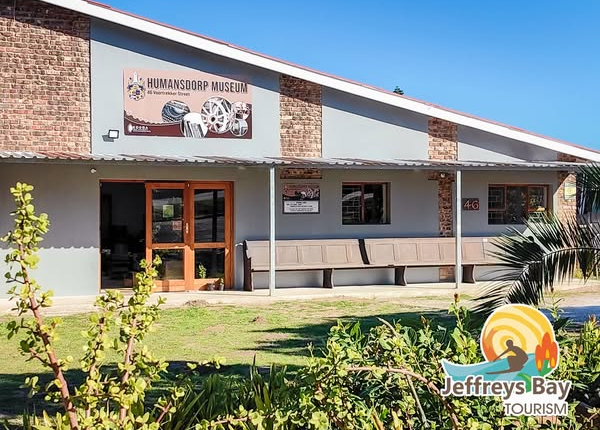
The Humansdorp Museum, now proudly situated at 46 Voortrekker Street, is more than just a repository of artifacts – it is a living tribute to the vibrant stories of the past. Led by the Humansdorp Museum Association, the museum strives to preserve this legacy, while igniting a deep connection to the town’s roots for generations to come.
The first thing visitors encounter is a piece of pure nostalgia – a gleaming red 1902 Rambler built and donated by Prof. Renier Viljoen. This stunning artifact sets the tone for an immersive experience, where every exhibition weaves together the generous contributions of residents who treasure the town’s history as their own.
“Every visitor deserves an engaging and memorable experience,” says Hendrik Potgieter, the museum’s vice-chairman. Together with his wife Cathy and a team of committed volunteers, Potgieter brings heart and energy into every tour, making history both accessible and exciting.
The museum itself is steeped in a rich past. Its origins can be traced back to the 1800s, when Humansdorp, then known as Zuurbron, became a home for pioneering Trekboers like Hendrik Eduard Solomon Potgieter and his wife Martha. Over time, families such as the Potgieters and Johnstons laid the foundation for a thriving farming community, overcoming challenges with resilience and ingenuity.
By 1937, Johan Andries and Lilian Potgieter, direct descendants of these settlers, had built a home at 17 Bureau Street. This house, central to the town’s daily life, later evolved into the original Humansdorp Museum, capturing decades of heritage.
Fast forward to today, and the museum’s move to Voortrekker Street signals a new chapter of expansion and innovation, made possible through a fruitful partnership with Kouga Local Municipality.
“We are grateful for the partnership and good relationship we have with the municipality,” Potgieter said.
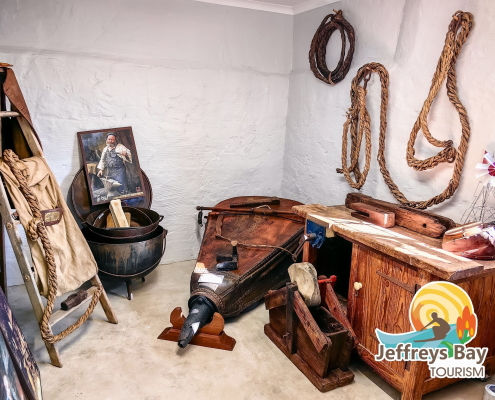
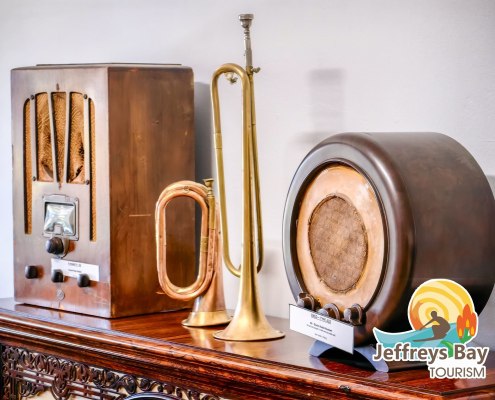
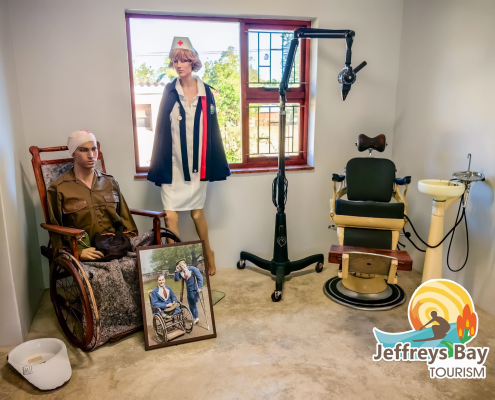
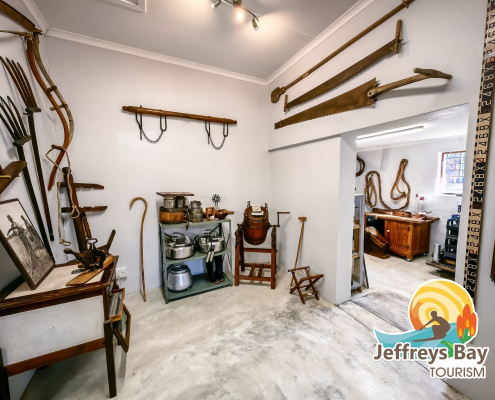
Exhibits at the museum are arranged to transport visitors through themes that reveal the rhythms of life from long ago. In ‘Grandma’s Kitchen,’ for instance, you will find an enamel plate recovered from the great fire of 1869. A farm exhibition showcases tools like butter churners and knapsacks, essentials for days spent tracking lost cattle. The children’s room, medical room, and music room further charm with displays of vintage toys, an antique dentist’s chair, and a Chicago Cottage Air pump organ from 1879.
Exploration leads to a treasure trove of unexpected finds: a war room with men’s smoking accessories, sewing and crochet artifacts in the women’s display, and musical instruments paired with long-playing records for music enthusiasts. Each room offers new surprises, making it nearly impossible to experience the museum on a single visit.
Breaking away from the misconception of museums as dusty relics, Potgieter and the association are focused on making the museum dynamic and inclusive. “We want to make history exciting for children,” Potgieter explains.
“Accessibility is also a priority – all our doorways are oversized to accommodate wheelchair users.”
The relocation of the museum last year was a significant moment, coinciding with Humansdorp’s 175th anniversary, founded by Matthys Gerhardus Human in 1849.
To honour the legacy, the association has embarked on new initiatives: an agricultural shed for farming tools, a reconstructed heritage church, and the restoration of the town’s iconic waterwheel.
Committed to education, the museum regularly hosts school groups, giving young minds the chance to engage with the past. “Our history is not just for safekeeping – it is for sharing, celebrating, and learning from,” Potgieter emphasises.
Whether it is your first visit or your fifth, the Humansdorp Museum promises an experience that will leave you inspired.
Open Monday to Friday from 9:00 to 14:00, entry costs R20 for adults and just R5 for children.

FOLLOW US

